Summer has a way of revealing a house’s true personality.
After months of searching, financing, and closing, many first-time homebuyers settle in and expect smoother sailing around the corner. Then summer rolls around. The sun beats down on the roof, the AC runs constantly, the grass needs mowing twice a week, and suddenly there’s a mysterious drip near the basement window after a heavy rain.
Welcome to your first summer in a new home.
None of this has to be cause for panic, of course. Seasonal maintenance and the occasional surprise repair are a normal part of owning a home. But a little heads-up goes a long way. Here are some of the things first-time homebuyers wish they knew before their first summer in a new home.
Your First Summer in a New Home Comes With a Learning Curve
There’s a gap between what you learn during the homebuying process and what you actually need to know once you’re living in a home through all four seasons. The inspection report covers the current condition of the house. It doesn’t teach you what it feels like when the humidity spikes and your wood floors start to expand, or that your HVAC system is working harder than it should because no one has swapped the air filter in six months.
First-time homeowner advice almost always comes from hindsight. Luckily, you don’t have to wait until next summer to benefit from it.
Summer Home Maintenance: The Tasks That Tend to Sneak Up on You
New homeowner summer checklists can feel overwhelming if you try to tackle everything at once. Instead, think of summer upkeep as a handful of higher-stakes tasks layered on top of routine maintenance. Here’s what tends to catch new homeowners off guard:
HVAC and air filter maintenance
Air filters typically need to be replaced every one to three months, depending on your home’s size and whether you have pets. A clogged filter makes your system work harder, which can lead to higher energy bills and, in the worst case, equipment strain during a heat wave. Summer is a great time to get on a regular replacement schedule if you haven’t already.
Exterior and roof inspection
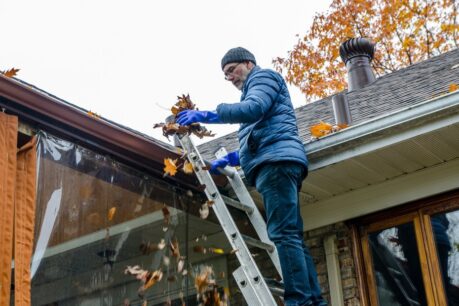
Summer storms can be hard on roofs, gutters, and siding. After a significant storm, it’s worth doing a visual check from the ground for obvious damage, like missing shingles, sagging gutters, or debris buildup around drainage areas. Catching small issues early might help you keep repair costs down later.
Lawn and outdoor upkeep
If you went from renting an apartment to owning a house with a yard, the outdoor workload can catch you off-guard. Mowing, edging, trimming, and watering all add time (and sometimes cost) to your week. Building a simple routine keeps things manageable and avoids the snowball effect of neglected landscaping.
Window and door seals
Summer heat and humidity can cause weatherstripping to loosen or warp, which lets conditioned air escape and drives up cooling costs. A quick check around doors and windows costs almost nothing and can make a noticeable difference on your utility bill.
Plumbing and outdoor faucets
If you’re using outdoor hose bibs, sprinkler systems, or a garden, summer is when you’re most likely to discover a slow leak or low water pressure issue. Check hose connections and look for any signs of water pooling near the foundation. Standing water near the house is always worth investigating.
Budgeting for Recurring Expenses
Utility bills, maintenance costs, and the occasional repair can be tricky to anticipate, especially in the summer months when usage climbs.
A commonly cited guideline suggests setting aside around 1% of your home’s purchase price per year for maintenance and repairs. That’s a rough estimate. Actual costs vary based on the age of the home, your climate, and how proactive you are about upkeep.
Older homes or those in regions with extreme summer heat may run higher. The point, really, is having a dedicated buffer so that a repair doesn’t derail your budget.
A few categories worth tracking as part of your new homeowner summer checklist:
- Utility bills (electric and water tend to spike in summer)
- Lawn care and landscaping supplies or services
- HVAC maintenance and filter replacements
- Pest control (warmer months increase activity)
- Any deferred maintenance you spotted during move-in
First-Time Homebuyer Tips for Handling Surprise Repairs
Even with the best preparation, something will need attention that you didn’t expect. That’s just what owning a home is like.
A few approaches that help:
Don’t delay on water. Water damage that’s caught early is more likely cheaper to address than damage that’s been allowed to develop. If you see a stain, a drip, or unusual moisture, investigate promptly.
Get at least two quotes for significant repairs. For anything beyond routine maintenance, comparing estimates from licensed contractors is worth the extra time. It also helps you understand what the repair actually involves.
Know your home’s systems. Find your main water shutoff, your electrical panel, and your HVAC’s reset before there’s a reason to need them. Five minutes of orientation now can save a lot of scrambling later.
Document as you go. Keep a simple record of repairs, appliance manuals, and any warranties you receive. It’s genuinely useful when something breaks down and you need to reference a service history, or when you eventually sell.
Summer Home Maintenance Tips That Are Worth It Year-Round
Some of the best first-time homeowner advice is about timing. Summer offers a natural window to take care of tasks that either need warm weather to do properly or need to be done before fall sets in.
Caulking and sealing around windows and doors is generally most effective when applied in dry conditions. Painting exterior surfaces tends to hold better in moderate heat. Cleaning gutters in late summer before leaves start to fall sets you up well heading into autumn.
It’s also worth having your HVAC system serviced by a licensed technician at least once a year. Many homeowners schedule this in the spring before heavy AC use begins, but if you missed it, summer is still a good time to get it on the calendar. A tune-up can catch efficiency issues before they show up on your utility bill.
Key Takeaways
- Seasonal maintenance is normal and expected. Your first summer in a new home will surface things you didn’t notice at closing, but you can handle it.
- Build a summer home maintenance habit. A short regular checklist goes a long way toward preventing costly surprises.
- Budget for recurring expenses beyond the mortgage. Utilities, upkeep, and repairs are important costs.
- Act on small issues before they grow. Many expensive repairs start as small, overlooked ones.
- Homeownership is a skill you develop over time. Every season teaches you something new about your home.
Final Thoughts
Your first summer as a homeowner is a bit of a crash course. Often, the only way to truly understand what a house needs is to live in it through the seasons.
The homeowners who feel most confident are the ones who’ve built a rhythm, like a small maintenance habit, a budget buffer, and a working knowledge of their home’s systems. That confidence builds over time, and it starts with the first summer.
Now that you’re in your home, best of luck settling in and learning as you go!
This information is intended for educational purposes only. Products and interest rates subject to change without notice. Loan products are subject to credit approval and include terms and conditions, fees and other costs. Terms and conditions may apply. Property insurance is required on all loans secured by property. VA loan products are subject to VA eligibility requirements. Adjustable Rate Mortgage (ARM) interest rates and monthly payment are subject to adjustment. Upon submission of a full application, a mortgage banker will review and provide you with the terms, conditions, disclosures, and additional details on the interest rates that apply to your individual situation.