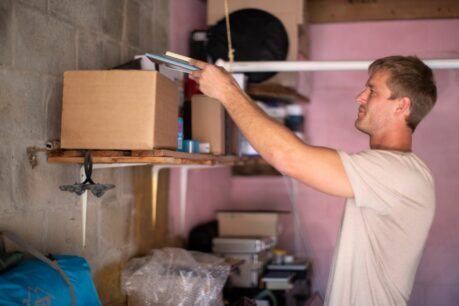
You’ve done it: all the papers are signed, and you’ve picked up the keys. Congratulations, you’re a homeowner! As you stare down a sea of boxes and blank walls, you’re probably beginning to wonder, “Now what?”
One of the most fun parts of homeownership is all the potential. Everywhere you look, there’s an opportunity to establish your style, build a life, and make lasting memories. All of that is true and exciting. But then you remember: Homeownership also comes with brand new responsibilities, some that often catch new homeowners by surprise.
In this article, we’ll give you a high-level overview of some common things to expect in your first year as a homeowner. Some of these may seem obvious, some less so, but all of them are worth having on your radar.
The First 30 Days: Settling In
The Administrative Tasks
I know you just finished up a lot of paperwork, but there’s still some T’s to cross and I’s to dot. For example, you need to set up utilities. After all, it’s a lot harder to decorate your house in the dark! Also, though you should have a homeowners’ insurance policy from when you closed the loan, you may want to review that policy again to determine if it’s got the coverage you need.
Then, be sure to change your address in important places such as your bank account, credit cards, or subscriptions. While you’re doing that, it may be helpful to set up a forwarding address with the post office, so straggling mail makes it to your new home.
We also encourage you to contact a locksmith to change your locks. There’s always a chance the previous homeowner forgot about a few keys they’ve handed out to friends and family over the years, so it’s best to start fresh with your locks.
Finally, remember those closing documents you just signed? Make sure to review them carefully one more time, then store them in a secure place for safe keeping.
Some Heavy Lifting
Before you finish unpacking, we encourage you to roll up your sleeves and knock out a deep clean of your new home. This could be the last time all these surfaces are exposed for quite a long time, so take advantage with a thorough cleaning.
In the early days of homeownership, it’s also smart to take another close look at your major appliances and document potential issues. By taking the time to do that, you might help yourself with claims on warranties or even just keeping track of what might need to be repaired or replaced soon.
Take stock of similar things along the outside of your home, too. Do the gutters need cleaning? If it’s getting cold where you live, you may want to unhook your hose from its spigot to avoid a frozen pipe.
Finally, put extra energy—if that is such a thing with all the work you’re doing—into the main living and workspaces in your home. If you’re going to spend a lot of time in one area, start setting that up first.
Housewarming
It’s not all chores and paperwork in the early days of homeownership. Once your house is in presentable shape, consider hosting a nice little housewarming party! Invite friends and family for a low stakes, pleasant evening to celebrate this massive milestone.
Alternatively, if you have particularly helpful, generous folks in your life, ask if they’d join you for an unpacking party! Provide food, drinks, direction, and elbow grease, and you might avoid the all-too-common lingering boxes waiting months to be unpacked.
Months 2–6: Budgeting and Building Habits
Meet the Neighbors
One of the best ways to start feeling more at home in your house is to step outside and explore your community. Introduce yourself to your neighbors. If you have a homeowners’ association (HOA), get to know the people on the board.
Take long walks just to familiarize yourself with your neighborhood. Find a couple of go-to restaurants and your new favorite coffee shop. A beautiful part of homeownership is that you get to put roots down and integrate yourself into a community, so embrace that!
Make a Chore and Maintenance Checklist
After figuring out what needs work and when, put together a recurring checklist of tasks. Houses require consistent upkeep, and it’s very easy for things to slip through the cracks. Small issues left unchecked can become big, expensive issues. Make a system to stay on top of everything. It may take a little extra brain power upfront, but it’ll simplify the upkeep over time.
Once you have your list, start with the smaller things you can handle—leaky faucets, peeling paint, squeaky door hinges, etc.
Build Your Budget
You may have entered homeownership with a budget, but it’s often the case that new homeowner budgets need updates. Once you’ve lived in the space for a while, you’ll have a better understanding of the recurring costs, as well as bigger expenses you’ll need to save for. Your budget is your best friend. Here are some things you may want to include in yours:
- Mortgage, insurance, utilities, taxes, HOA fees, and other recurring expenses
- Furniture and appliances
- Landscaping services or supplies
- Maintenance, repairs, and renovations
Months 6–12: Planning Ahead
Schedule Bigger Projects
Renovations and more extensive repairs can be both time-consuming and costly. If you’ve identified things that require renovations in your home, it’s important that you start scheduling those projects. Find a contractor you can trust for larger renovations (consider asking those neighbors you met if they know a good one in the area). Order your materials and make note of whether your home improvements could potentially be tax deductible.
Decorate
By this time, you’ve probably already put up some decorations and gotten your furniture. But, as is often the case, you may finally have a clearer picture of what looks good in your space and how to create a cohesive interior design. After months of tinkering, you can finally define the character of your home and decorate accordingly.
Revisit Your Budget for Year Two
Take a look back at that budget you built earlier. What worked? What didn’t? What can you change moving forward? Do you have new goals for your home that you’ll need to save for? Ask yourself questions like that to figure out how you can take the knowledge you gained in year one of homeownership and apply it to the following year.
Final Thoughts
Congratulations again on entering this exciting new phase of your life! Homeownership can be a true joy, but it’s also a big responsibility. By using this article as a starting point, you can set yourself up to tackle that responsibility with more confidence and clarity. Best of luck with your homeownership journey!
Disclaimer: This article is intended for general informational and educational purposes only and should not be construed as financial or tax advice. For more information on financial planning or investment advice, consult a registered investment advisor or financial planner.
This information is intended for educational purposes only. Products and interest rates subject to change without notice. Loan products are subject to credit approval and include terms and conditions, fees and other costs. Terms and conditions may apply. Property insurance is required on all loans secured by property. VA loan products are subject to VA eligibility requirements. Adjustable Rate Mortgage (ARM) interest rates and monthly payment are subject to adjustment. Upon submission of a full application, a mortgage banker will review and provide you with the terms, conditions, disclosures, and additional details on the interest rates that apply to your individual situation.