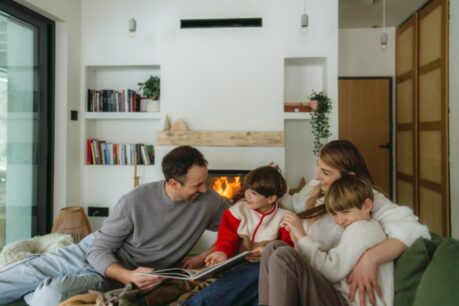
Buying your first home can be a thrilling and affirming moment, something that may have taken you years to achieve. And if that home happens to be a condo, townhome, or a more compact house, you might be wondering how to make the most of the space that you have.
That’s a good mindset to start with. After all, square footage isn’t everything. Some of the most livable, stylish, and functional homes are on the smaller side. The key is knowing how to maximize small space so your home feels open, organized, and entirely yours.
Whether you’re still in the homebuying process or just moved in, these practical tips will help you get the most out of every room.
Think Vertical, Not Just Horizontal
When floor space is limited, the walls are your best friend. Most people focus on arranging furniture across the floor, but vertical space, the area between your furniture and your ceiling, is often completely underused.
Here are a few ways to put your walls to work:
- Install floating shelves for books, plants, or decorative items to draw the eye upward and free up surface space below.
- Use tall bookshelves or cabinets that reach close to the ceiling to maximize storage without expanding your footprint.
- Mount your TV on the wall instead of using a media console, which can open up some needed floor space in living areas.
- Hang hooks or pegboards in entryways, kitchens, or home offices to keep everyday items accessible but off the counter.
This approach is especially effective in small living rooms and home offices where every surface tends to get crowded quickly.
Choose Furniture That Does Double Duty
In a smaller home, every piece of furniture should earn its place. Multi-functional furniture is one of the most effective small home design ideas you can run with, and it doesn’t have to feel clinical or temporary.
Think about pieces like:
- A storage ottoman that works as a coffee table, extra seating, and a place to stow blankets or magazines.
- A bed frame with built-in drawers underneath, which can replace an entire dresser in a smaller bedroom.
- A dining table that folds against the wall when not in use, freeing up valuable space in a compact kitchen or dining area.
- A sofa bed or daybed in a guest room that doubles as a comfortable workspace or reading nook during the day.
When you’re shopping for furniture, it helps to measure your space carefully before buying. A piece that looks proportional in a showroom can easily overwhelm a smaller room. Look for items that are scaled to your space and, when reasonable, that serve more than one purpose.
Use Light and Color to Make Rooms Feel Larger
It’s easy to overemphasize the things you can add to a room, but one of the simplest space maximizing tips you can use actually starts with light. Natural light makes a room feel more open and expansive, so do what you can to let it in.
A few design choices that help:
- Keep window treatments light or minimal. Things like sheer curtains or simple blinds keep the space airy without blocking sunlight.
- Use mirrors strategically. Placing a large mirror across from a window can reflect light throughout the room and create the illusion of more depth.
- Stick to a lighter color palette on walls and larger furniture pieces. Soft whites, warm creams, and light grays can visually expand a space.
- Use consistent flooring throughout your home if possible. Fewer transitions between floor types can make a floor plan feel more continuous and open.
That said, don’t be afraid of some contrast. A dark accent wall, a bold piece of art, or a richly colored rug can add personality and depth without making a room feel closed in.
Get Serious About Storage
Clutter is the enemy of a small space. When items don’t have a designated home, they end up on counters, chairs, and floors, making even a well-designed room feel chaotic. Smart storage options are what keeps everything in check.
Some ideas that make a big difference:
- Use the space under your bed. Bed risers or a storage bed frame can give you room for seasonal items, luggage, or extra linens.
- Add storage to overlooked areas, like the space above kitchen cabinets, the back of closet doors, or the area beneath a staircase (if applicable).
- Invest in clear storage bins or labeled boxes so you can find what you need without digging through every shelf.
- Practice regular decluttering. In a smaller home, items accumulate quickly. Habits like a seasonal sort-through of closets and storage areas can go a long way.
You don’t need to get rid of everything you love. But you should make sure the things you keep have a place, so your home stays functional and comfortable over time.
Create Defined Zones in Open Layouts
Some condos and smaller homes feature open floor plans, which can be great for light and flow, but tricky when you’re trying to make different areas feel purposeful. Without walls to separate a living room from a dining space or a home office from a bedroom, things can start to feel undefined.
Zone your space with intention:
- Use an area rug to anchor a seating arrangement in a living area, visually separating it from adjacent spaces.
- Position furniture, like a sofa or bookshelf, to create a natural divider between spaces without adding walls.
- Use pendant lighting or a statement light fixture to signal that a particular area has a specific function.
- Keep the aesthetic consistent across zones so the space feels intentional rather than pieced together.
Defined zones make a home feel more organized and complete, even in a compact footprint, and they can make day-to-day living feel much more manageable.
Key Takeaways
- Go vertical. Shelves, tall storage, and wall-mounted items free up floor space and make rooms feel taller.
- Invest in multi-functional furniture. Pieces that serve more than one purpose are gamechangers in smaller homes.
- Light and color matter. Natural light, mirrors, and lighter color palettes can visually expand any room without a single renovation.
- Smart storage prevents clutter. Every item in a small home should have a designated place.
- Define your zones. Even in an open layout, rugs, furniture placement, and lighting can create purposeful, well-organized spaces.
Final Thoughts
Owning a smaller home doesn’t have to mean sacrificing comfort, style, or livability. With the right approach to layout, storage, lighting, and furniture, you can maximize small space and create a home that feels bigger than its square footage suggests.
Many of these changes can be low-cost and don’t require major renovations. A few thoughtful decisions can completely transform how your home feels, and how you feel in it.
This information is intended for educational purposes only. Products and interest rates subject to change without notice. Loan products are subject to credit approval and include terms and conditions, fees and other costs. Terms and conditions may apply. Property insurance is required on all loans secured by property. VA loan products are subject to VA eligibility requirements. Adjustable Rate Mortgage (ARM) interest rates and monthly payment are subject to adjustment. Upon submission of a full application, a mortgage banker will review and provide you with the terms, conditions, disclosures, and additional details on the interest rates that apply to your individual situation.