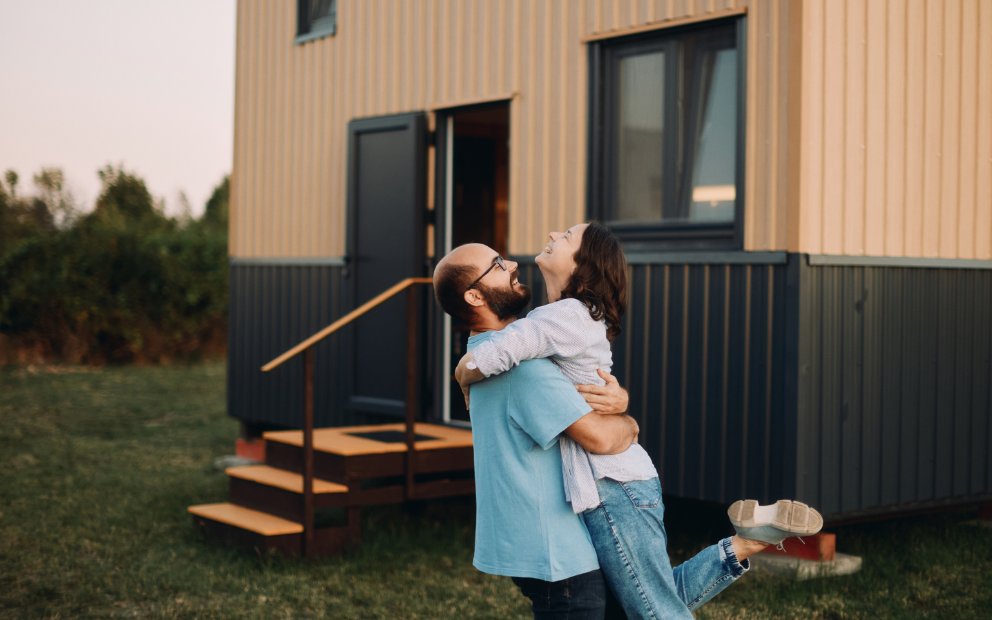
From tiny homes to container houses, barndominiums, and modular homes, alternative housing has moved well beyond a trend. For many veterans and active-duty service members, these options can look like a more attainable path to homeownership, a way to own more and owe less.
But with these unique types of housing, it’s important to ask: Can you actually use a Veterans Affairs (VA) home loan to buy a tiny home or other nontraditional housing?
Ultimately, it depends. VA loan eligibility for nontraditional housing isn’t a simple yes or no. It hinges on property type, construction standards, and how the home is classified. This article breaks down what you need to know so you can make an informed decision about your next step.
How VA Loan Property Requirements Work
Before getting into specific housing types, it helps to understand what the VA looks for in any property. VA loans are designed to help veterans purchase primary residences. Because of this, the VA sets minimum property requirements (MPRs) that every home must meet before a loan can be approved.
These requirements are intended to ensure the home is safe, structurally sound, and sanitary. A VA-approved appraiser must evaluate the property and confirm it meets those standards.
What does “safe, sound, and sanitary” mean in practice? The VA wants to know that the home has safe access to clean water, functioning electrical and heating systems, a solid foundation and roof, and adequate living space. A property that meets these standards can generally move forward; one that doesn’t will need repairs before the loan can close.
Tiny Homes and VA Loans: What You Need to Know
Tiny homes are appealing for a lot of reasons. They may come with lower costs, simpler lifestyles, and sometimes a reduced environmental footprint. But financing one with a VA loan is complicated, and in some cases, not possible under standard guidelines.
For example, VA loans for manufactured homes typically require that a property meet minimum size and habitability thresholds. That includes a 400 square feet minimum, which many tiny homes may struggle to meet.
There’s also the question of how the home is titled. A tiny home on wheels, for instance, is generally classified as personal property rather than real estate. VA loans are real estate loans, so they cannot be used to finance a home that isn’t permanently affixed to land the borrower owns or is purchasing.
Even tiny homes built on a permanent foundation can face hurdles. Lenders may struggle to find comparable sales for appraisal purposes, which can complicate or derail the loan process.
What About Container Homes and Barndominiums?
Container Homes
Homes built from repurposed shipping containers have gained some attention for their durability and modern aesthetic. Whether one qualifies for VA financing depends almost entirely on how it’s built and how it’s classified.
A container home that is built on a permanent foundation, titled as real property, and meets VA minimum property requirements may be eligible for a VA loan. Then, VA appraisers must find comparable sales in the area, and container homes are uncommon enough that finding solid comparables can be difficult.
Container homes, as with tiny homes, can be quite small, which is a plus for some buyers. But this can make it trickier to purchase with a VA loan.
Barndominiums
A barndominium, which is a steel-frame structure that often combines living quarters with open or utility space, is another housing type gaining traction, particularly in rural areas.
VA financing for a barndominium follows a similar logic: the structure must be permanently affixed to land, titled as real estate, and meet the VA’s habitability standards. Appraisal is again a common sticking point. If there are limited comparable sales nearby, it can be harder for an appraiser to establish market value, which affects what the VA will lend.
Modular Homes and VA Loans
Of all the nontraditional housing types, modular homes tend to more readily meet VA MPRs. That’s because modular homes are factory-built but permanently installed on a foundation, and they’re typically classified as real property from the start.
As long as the home meets VA minimum property requirements and a VA-approved appraiser can establish its value, a modular home may be able to be financed with a VA loan. This makes modular construction a worth-considering option for veterans who want a new build without the timeline or cost uncertainty of traditional stick-built construction.
Important distinction: Modular homes are different from manufactured homes. Manufactured homes (sometimes called mobile homes) are built to a federal HUD code and may face additional restrictions under VA lending guidelines. If you’re considering a manufactured home, ask your loan officer specifically about VA requirements for that property type.
Alternative Financing Paths to Consider
If a VA loan isn’t the right fit for the property you have in mind, there may be other options to explore with a lending professional:
- Construction loans: If you’re building from the ground up, a VA construction-to-permanent loan may be available for certain property types that would meet VA and lender standards once complete.
- Conventional financing: Some nontraditional properties may qualify under conventional loan guidelines, though down payment requirements and terms will differ.
- Personal loans or land loans: For properties that cannot be financed as real estate, other lending products may apply, though typically at different terms and costs.
Each situation is different. Speaking with a banker who has experience working with VA home loan programs is usually the best way to understand your options for a specific property.
Key Takeaways
- VA loans require that a property meet minimum property requirements (MPRs) regardless of the home’s style or construction type.
- Tiny homes on wheels or under minimum size thresholds typically do not qualify for VA financing under standard guidelines.
- Container homes and barndominiums may be eligible if permanently affixed to land and titled as real property, but appraisal challenges are common.
- Modular homes generally have the most direct path to VA loan eligibility among nontraditional housing types.
- If a VA loan isn’t a fit for the property you want, other financing paths may be available.
Final Thoughts
The appeal of nontraditional housing is real, and if you’re an eligible veteran, so is the desire to use your VA home loan benefit to make homeownership happen. The honest truth is that VA loan eligibility for these property types is nuanced. It depends on how the home is built, titled, and appraised, not just what it looks like.
Understanding those requirements upfront can save you significant time and frustration. If you’re exploring alternative housing and wondering how your VA home loan benefit might fit in, the ideal next step is getting specific about the property type and having a real conversation with a knowledgeable banker who can walk you through the details.
This information is intended for educational purposes only. Products and interest rates subject to change without notice. Loan products are subject to credit approval and include terms and conditions, fees and other costs. Terms and conditions may apply. Property insurance is required on all loans secured by property. VA loan products are subject to VA eligibility requirements. Adjustable Rate Mortgage (ARM) interest rates and monthly payment are subject to adjustment. Upon submission of a full application, a mortgage banker will review and provide you with the terms, conditions, disclosures, and additional details on the interest rates that apply to your individual situation.