When temperatures drop, it’s easy to feel like you have to choose between keeping your home warm or bracing for higher home heating costs. Heating systems work harder in the colder months, and even small drafts can make a room feel chillier than it should. The good news is that staying cozy doesn’t always require turning up the thermostat or taking on expensive upgrades.
With a few simple adjustments, you may be able to help your home hold onto more heat and create a more comfortable space for you and your family. These energy-efficient home tips won’t guarantee lower heating bills, but they can support a more efficient use of the warmth you already have, making your home feel more inviting all winter long.
Understand Where Heat Slips Away in Your Home
Before you make any changes, it helps to understand why certain rooms feel colder than others. Heat doesn’t always escape in obvious ways. Sometimes it slips out through small gaps around windows and doors. Other times it rises into an under-insulated attic or drifts toward cooler exterior walls.
A quick walk-through on a cold day usually reveals more than you expect: a chilly corner near a window, a breeze sneaking under a door, or a vent that isn’t delivering air as evenly as others. You don’t need special equipment to make those kinds of observations. Your own comfort often tells you exactly where warmth is being lost.
Low- and No-Cost Ways to Make Your Home Feel Warmer
Once you understand where heat tends to slip away, small adjustments can make your home feel noticeably cozier, sometimes without spending much at all.
Let the Light In
One of the simplest approaches is taking advantage of sunlight. Opening blinds or curtains during the day lets natural warmth stream in, and closing them at night helps keep cold air from settling near your windows. Over time, this little adjustment can make rooms feel less chilly.
Rethink Your Furniture Layout
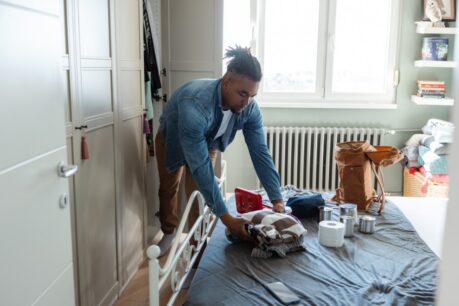
Another helpful tactic is moving furniture so warm air can circulate freely. When couches or large pieces block vents, your heating system has a harder time delivering air where it’s needed. Clearing that path may take a little creativity and elbow grease, but it could be worthwhile to get through the winter.
Soft furnishings can also play a big role. Adding a rug on a cold floor or using thicker curtains can reduce that “drafty” feeling and make a space feel warmer without touching the thermostat.
Seal Gaps
If you’ve noticed small gaps around doors or windows, inexpensive weatherstripping or caulk can help reduce the amount of warm air that escapes. These fixes are usually simple, budget-friendly, and something many homeowners feel comfortable doing on their own.
Make the Most of Your Thermostat Settings
Your thermostat is responsible for creating an energy-efficient home environment throughout the day. Sudden changes, like frequently turning the heat up and down, can make your system work harder than it needs to, and the result often isn’t as comfortable as expected.
Keeping your thermostat at a stable setting can help your home feel warmer overall, especially when paired with steps that reduce drafts or improve airflow. Further, practices like lowering the temperature slightly while you’re asleep or away can also make for more efficient use of the heat already moving through your home.
If you’re using a programmable or smart thermostat, you may find it easier to maintain that balance. Some of these devices allow you to set temperature schedules that match your daily routine, which can help keep your home comfortable when you’re there and avoid overly heating empty rooms when you’re not.
Support Your Heating System With Regular Care
Naturally, a well-cared-for heating system is an important part of maintaining energy-efficient heating in your home. A few simple habits can help your system perform the way it was designed to, which may contribute to a more comfortable space during colder months.
Replace Your Air Filter
One of the easiest steps is replacing your air filter as recommended. When a filter becomes dusty or clogged, air has a harder time moving through your system. A clean filter helps air flow freely.
Be Mindful of Your Vents
It also helps to give your vents and returns a little attention. Dust, pet hair, or blocked pathways can limit airflow in ways you might not notice right away. Gently wiping vents and keeping furniture a few inches away from air returns allows warm air to circulate more naturally throughout your home.
Schedule Heating Checkups
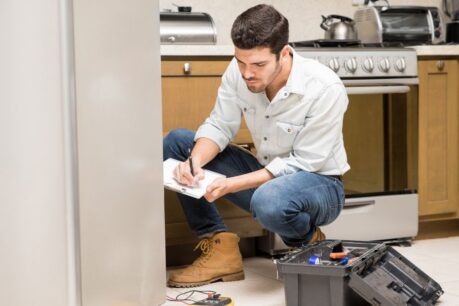
Depending on the age and condition of your heating system, scheduling occasional checkups with a qualified technician can also be worthwhile. Professionals can spot early signs of wear, ensure everything is operating safely, and make recommendations tailored to your home’s needs.
Consider Longer-Term Improvements if They Fit Your Budget
If you feel ready to go beyond quick fixes, there are a few larger upgrades that may help your home hold onto warmth more effectively. These projects vary widely in cost and complexity, so keep your time and budget in mind.
Add Insulation
Insulation is a common starting point. Adding insulation in the attic, basement, or crawl spaces can help reduce heat transfer, creating a more stable indoor environment. While this type of project requires more planning, many homeowners find that even small insulation improvements can make rooms feel noticeably more comfortable.
Replace Some Windows
Another option is updating older windows or adding storm windows. Newer window technologies are designed to better manage temperature changes, but for homeowners looking for a more affordable step, window film or insulated curtains can offer a helpful layer of protection against drafts.
When to Bring In a Professional
Sometimes, even after applying these energy-efficient home tips around your house, certain rooms still feel colder, or your heating system doesn’t seem to distribute warmth evenly. When that happens, it might be time to bring in a professional.
A licensed HVAC technician can evaluate your system’s performance, check for issues that aren’t easily visible, and make recommendations tailored to your home’s layout and equipment. Their expertise can be especially helpful if your system is older, has been running less smoothly, or hasn’t been inspected in a while.
Another option some homeowners explore is a home energy assessment. During this process, a professional looks at how your home uses and retains heat and provides suggestions based on your specific space. This doesn’t have to lock you into any repairs or upgrades. It simply gives you a clearer idea of where warmth might be escaping and which improvements could make the biggest difference for your comfort.
Final Thoughts
Staying warm through the winter doesn’t have to mean turning up the heat or taking on major home projects. Small adjustments, like sealing drafts, managing airflow, caring for your heating system, and using your thermostat more intentionally, can all work together to create a space that feels cozier and more inviting. Larger upgrades, if and when they fit your budget, can offer additional support over time.
Every home is a little different, so the key is choosing which energy-efficient home tips make the most sense for you. With a better understanding of where heat escapes and how your system works, you can approach winter with clarity and confidence, knowing you have practical ways to make your home more comfortable all season long.
This information is intended for educational purposes only. Products and interest rates subject to change without notice. Loan products are subject to credit approval and include terms and conditions, fees and other costs. Terms and conditions may apply. Property insurance is required on all loans secured by property. VA loan products are subject to VA eligibility requirements. Adjustable Rate Mortgage (ARM) interest rates and monthly payment are subject to adjustment. Upon submission of a full application, a mortgage banker will review and provide you with the terms, conditions, disclosures, and additional details on the interest rates that apply to your individual situation.